
Along with a regular dental exam, brushing and flossing are the most important things you can do for your dental health.
Brush your teeth at least twice a day. Regular and thorough brushing removes the plaque that causes gum disease and decay. Brushing your teeth isn't complicated, but there is a right way to do it.
How to Brush
Step 1
Use a soft brush with rounded bristles. Choose a size and shape that allow you to reach all the way to your back teeth. Replace your toothbrush every three months.
Step 2
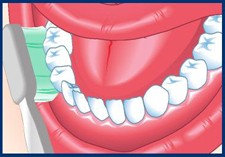
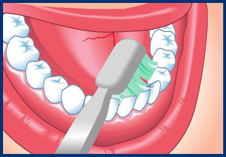
Brush at a 45 degree angle to your teeth. Put the bristles at the place where your gums and teeth meet. Use gentle circles. Don't scrub. Years of brushing too hard can make your gums recede.
Step 3
Clean every surface of every tooth. This means you must brush the cheek side, the tongue side and the top of each tooth. After flossing, roll it up in a tiny ball and put it in the garbage. Never flush floss down the toilet.
Step 4
Slow down. A thorough brushing should take two to three minutes. Try timing yourself.
Step 5
Brush your tongue.
How to Floss
Flossing removes plaque and bacteria from places your toothbrush can't reach. In fact, if you're not flossing, you're missing more than 1/3 of your tooth surface. Floss at least once a day. It may be easier to get into the habit if you floss while doing something else - watching TV or listening to music, for example.
Step 1
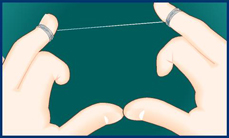
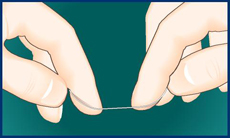
Take a length of floss about as long as your arm. Wrap it around your middle fingers, leaving about two inches between your hands. Use your index fingers to guide the floss between your teeth.
Step 2
Slide the floss between your teeth and wrap it into a "C" shape around the base of the tooth and gently under the gumline. Wipe the tooth from base to tip two or three times.
Step 3
Floss both sides of every tooth. Don't forget the backs of your last molars. Move to a new part of the floss as you move from tooth to tooth.
Problems with Brushing and Flossing?
If you find holding your toothbrush difficult because you have arthritis or some other health condition, try enlarging the handle with a sponge, several layers of aluminum foil, or a bicycle handle grip.
If flossing feels awkward or if your fingers always seem to get tangled, try using a plastic floss holder - your dentist or hygienist can recommend one. Or try dental tape instead. It's wider and easier to grasp than floss.